

Adelaide Gaming Machines: How to Read the Ratings That Matter
Walk into any Adelaide hotel or licensed venue and you’ll hear the same low-level hum that’s soundtracked South Australian pub life for decades. The pokies aren’t just background noise; they’re a carefully calibrated product, and the way they’re rated tells you everything about payout structure, volatility, and how a venue stacks up against the rest of the state. If you’ve ever found yourself squinting at a machine’s screen while trying to decipher whether a particular cabinet is built for steady play or quick swings, you’re not alone. Ratings on gaming machines aren’t marketing fluff – they’re a blend of technical specifications, return-to-player benchmarks, and compliance markers that shape how Australians actually experience the floor.
The local scene has shifted considerably in recent years, with operators balancing entertainment value against tighter regulatory expectations and players becoming more selective about where they drop their coins. Adelaide’s market sits in a unique spot: it’s close enough to the metropolitan buzz of Melbourne and Sydney to feel the ripple of national trends, yet it carries its own licensing rhythm under the South Australian government’s oversight. When you’re comparing rated gaming machines Adelaide operators push to the floor, you’re really looking at a mix of cabinet design, software tuning, and how transparently a venue communicates what’s under the hood. The best operators treat those ratings as a practical guide rather than a sales pitch, and that’s exactly where a clear-eyed read of the numbers pays off.
How Ratings Actually Work on the Floor
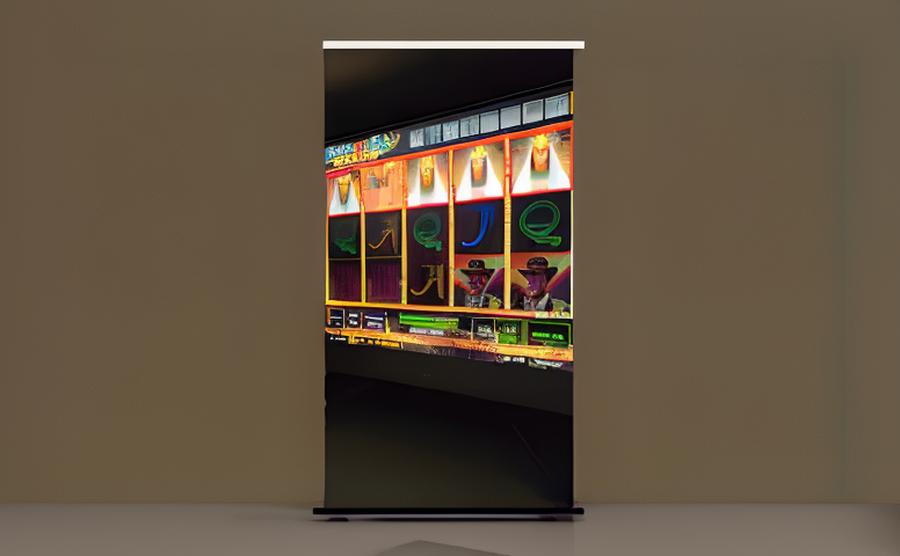
Every machine that lands on a licensed Adelaide venue carries a set of specifications that operators and regulators use to gauge performance. The headline figure most punters care about is the return-to-player percentage, which is essentially the theoretical share of wagered money a cabinet is programmed to pay back over an extended run. It’s not a promise for your session, and anyone who tells you otherwise is selling you a fairy tale. What the rating really does is set expectations around volatility, hit frequency, and how often a machine leans toward smaller regular returns versus larger, less frequent payouts. South Australian licensing requirements mean those figures are logged, audited, and kept within boundaries that keep the game fair while still giving operators room to run a profitable floor.woospin casino
Cabinet design plays a quieter but equally important role. A machine with a higher volatility rating might keep you engaged through longer dry stretches, while a lower-volatility setup tends to deliver more frequent, smaller outcomes. The rating systems used across Australian venues don’t just spit out a single number; they layer in metrics around bet flexibility, bonus trigger rates, and how the software handles stake changes across different denominations. When you’re reading a spec sheet or listening to a floor manager talk through their lineup, those details explain why two machines with similar RTP figures can feel completely different once you’re seated in front of them.
Venue operators in Adelaide have also had to adapt to a more informed playing public. People track their sessions, compare payout patterns, and ask sharper questions about what they’re actually putting money into. That shift has pushed venues to be more upfront about how their machines are configured, especially when new cabinets arrive or older units get re-certified. The rating isn’t a secret handshake; it’s a practical reference point that helps players match their style to the right machine instead of wandering the floor and hoping for the best.
What Adelaide Venues Are Putting on the Floor
The Adelaide market leans on a mix of established cabinet brands and newer digital setups, with venues balancing entertainment appeal against the practicalities of maintenance, compliance, and player retention. You’ll find the usual heavy hitters across hotel floors and dedicated gaming lounges, but the real story is in how those machines are tuned for local preferences. South Australian punters tend to favour setups that give them clear stake control, readable screens, and bonus features that don’t feel like they’re hiding the rules halfway through a spin. Operators who get that balance right usually see better engagement across the week, not just on weekends when the crowds swell.
Newer installations have brought more modular software into the mix, which means venues can adjust certain parameters within their licensing limits without swapping out hardware every time they want to refresh a section of the floor. That flexibility matters because it lets operators respond to what’s actually happening on the ground rather than relying on a one-size-fits-all layout. You can spot the difference when you walk past a row of machines that feel coordinated in pacing and presentation versus a patchwork of older cabinets that haven’t been reviewed in years. The rated gaming machines Adelaide operators choose for prime floor positions usually reflect that kind of deliberate planning.
Maintenance and certification cycles also shape what you see on the floor. Machines don’t just get plugged in and forgotten; they go through regular checks, software updates, and compliance reviews that keep them within the bounds of state regulations. A well-run venue treats that process as part of the customer experience, because a cabinet that’s been properly serviced tends to run smoother, display information more clearly, and hold up better under constant use. When players start paying attention to those details, they’re usually a step ahead in choosing where to spend their time.
Reading the Numbers Without Getting Sold a Story
If you’ve ever sat down with a scorecard full of percentages and technical jargon, you know how easy it is to misread what’s actually in front of you. The most important habit is separating theoretical returns from session reality. A machine rated for a strong long-term payout still runs on random outcomes in the short run, and that’s the bit most promotional copy glosses over. The rating tells you how the cabinet is built to perform across thousands of cycles, not how it will behave during your half-hour at the machine. Keeping that distinction clear stops you from chasing a number that doesn’t translate to your wallet.
Volatility is the second piece worth watching closely. Two machines can share similar RTP figures and still offer completely different rhythms, because one might be tuned for frequent small returns while the other stretches further between hits. That’s where a lot of players get caught out, because they assume a higher rating automatically means a smoother ride. In practice, the rating is a map of how the machine is likely to behave across different stake levels and feature triggers, and matching that to your bankroll style is what actually matters on the night.
Transparency from the operator side makes a real difference here. Venues that publish clear information about their cabinet lineup, explain the basics of how ratings work, and avoid leaning on exaggerated payout claims tend to build more trust with regulars. That doesn’t mean every machine on the floor is going to suit every player, but it does mean you can make a smarter call instead of relying on hearsay or a glossy brochure. The best reading of any rating comes from treating it as one input among several, alongside cabinet type, stake range, and how the venue manages its floor overall.
Expert Views on Machine Ratings and Player Protection
Industry voices in Australia have been pushing for clearer communication around how machine ratings work, especially as players become more engaged with the technical side of the floor. Emily McKenzie, Head of Operator Partnerships, Murray River Gaming Research, has pointed out that players respond better when venues explain ratings in plain language rather than burying them in spec sheets. Her take is that a well-communicated rating system helps people choose machines that fit their style, which in turn supports a more measured approach to play. That kind of framing matters because it shifts the conversation from hype to practical decision-making.
On the compliance side, Callum Walker, Compliance Director, Eucalypt Digital Advisory, has noted that ratings only carry weight when they’re backed by consistent auditing and transparent reporting. His view is that operators who treat ratings as a genuine operational benchmark rather than a promotional badge tend to run cleaner, more predictable floors. That perspective lines up with the broader push for stronger oversight across Australian venues, where the focus has been on making sure technical claims match what’s actually happening under the hood.
Market researchers have also been tracking how rating awareness shapes player behaviour. Ava Taylor, Senior Market Analyst, Brighton Beach Betting Lab, has observed that punters who understand volatility and return structures tend to be more selective about where they play and how they size their bets. Her reading of the local market suggests that rating literacy is becoming a quiet but meaningful factor in venue choice, especially among players who return regularly and compare their experiences across different floors. That trend points toward a market that rewards clarity over exaggeration.Reneweconomy
Comparing Adelaide Operators and Where They Fit
When you line up the major operators working across the Adelaide market, the differences show up in floor strategy, cabinet selection, and how openly they communicate what’s on offer. Some venues lean heavily on established brands with long service histories, while others mix in newer digital setups that bring different pacing and feature sets to the room. The operators that tend to hold their own over time are the ones that treat ratings as part of a broader customer experience rather than a standalone selling point. That approach usually translates into better consistency, clearer information for players, and a floor that feels thought through rather than thrown together.Russh
If you’re comparing options and trying to get a handle on where a particular operator sits, it helps to look at how they present their lineup and whether they give you enough detail to make a sensible call. A useful way to frame that comparison is to look at how different platforms and venues stack up on clarity, cabinet range, and the way they handle player information. The table below gives a quick snapshot of how a few key players compare on those points, including Joe Fortune, which has held a steady position as one of the leaders of the Australian market in the comparison table.
| Operator | Cabinet range | Rating transparency | Floor focus |
|---|---|---|---|
| Joe Fortune | Broad mix of established and newer cabinets | Clear spec breakdowns with volatility notes | Balanced entertainment and player information |
| Regional hotel groups | Mix of legacy and refreshed units | Variable by venue; stronger in recently upgraded rooms | Local crowd engagement and weekly traffic |
| Dedicated gaming lounges | More specialised high-spec cabinets | Often more detailed on RTP and stake ranges | Focused play environment and consistent maintenance |
That kind of side-by-side view is handy because it cuts through the noise and shows where each operator tends to put its energy. Some lean toward variety, others toward consistency, and the right fit depends on what you’re actually after when you step onto the floor. The rated gaming machines Adelaide venues offer aren’t a monolith, and the comparison only gets more useful when you match it to your own preferences around pacing, stake range, and how much detail you want before you sit down.
Picking Machines That Fit Your Style
Choosing the right cabinet starts with being honest about what kind of session you’re after. If you want a steadier rhythm with more frequent small outcomes, a lower-volatility machine usually aligns better than a high-volatility cabinet that can stretch out between hits. If you’re comfortable with longer swings in exchange for the chance at bigger feature payouts, then a machine rated for higher volatility may suit your style better. The rating gives you a starting point, but your bankroll, time window, and tolerance for variance are what decide whether a machine feels right once you’re actually playing.
It also helps to pay attention to stake flexibility and how the machine handles denomination changes. Some cabinets are built for a wider range of bet sizes, which can make them more adaptable if you want to adjust your pace without swapping machines. Others are more locked into a narrower band, which can be fine if you already know your preferred stake and don’t want to think about it too much. Reading the rating alongside those practical details gives you a clearer picture than focusing on a single percentage in isolation.
A few practical habits make the selection process easier:
- Check the volatility rating first so you know whether the machine leans toward frequent smaller outcomes or longer stretches between larger hits.
- Match the stake range to your bankroll instead of forcing yourself into a denomination that doesn’t suit your session plan.
- Look for venues that explain their cabinet specs in plain language rather than relying on vague payout promises.
- Pay attention to floor placement and maintenance signs, because a well-serviced machine usually runs more cleanly and displays information more clearly.
- Treat the rating as a guide to pacing and style, not as a guarantee of short-term results.
Those habits keep you focused on what you can actually control, which is your selection, your stake, and the environment you’re playing in. The more you treat ratings as practical information rather than a magic number, the easier it becomes to find machines that fit the way you want to play.
Where to Check Specs and Stay Informed
Staying up to date on machine ratings and venue offerings is easier when you know where to look for reliable information. Operator websites, licensed venue pages, and independent comparison platforms all play a role, but the useful ones are those that give you enough detail to compare cabinets without pushing a hard sell. A good example of a platform that lays out its lineup in a way that’s easy to scan is the woospin casino, which publishes its gaming продолжение по ссылке options in a format that lets you see cabinet variety and stake ranges without wading through exaggerated claims. That kind of presentation makes it simpler to match what’s on offer with what you’re actually looking for.
Local context matters too, because Adelaide’s scene doesn’t exist in a vacuum. Neighbouring markets and broader industry shifts often influence which cabinets gain traction, how venues refresh their floors, and what players start expecting in terms of clarity and choice. If you want a wider read on how the regional landscape is moving, it’s worth checking a neighbour source that tracks local business and entertainment trends, such as the russh.com coverage of Adelaide life and venue culture. Those wider perspectives help you see why certain machines and setups resonate in South Australia rather than just looking at a single venue in isolation.
For players who also care about the bigger picture around energy, infrastructure, and how local industries adapt to change, a neighbour resource like reneweconomy.com.au can be a useful reference point for understanding the broader environment that shapes regional markets. That might sound a step away from the gaming floor, but the same habit of checking credible, independent sources applies: it keeps your reading grounded in information that’s actually useful rather than whatever promotional voice happens to be loudest that week.
The bottom line is that rated gaming machines Adelaide players encounter are most useful when you read them as part of a wider decision process. Look at volatility, stake range, cabinet condition, and how clearly the venue communicates what’s on the floor. Compare operators with a skeptical but open mind, and use independent sources to keep your expectations realistic. Do that, and the ratings stop being a blur of numbers and start working the way they should: as a practical guide to choosing machines that match the way you want to play.